Our Short List of 3

- Best for: Open-country hunters who want ranging, compass, and angle data in one unit.
- Magnification and objective: 10×42
- Type: Rangefinder binoculars for hunting
- Maximum range: 5000Y
- Glass and build: ED, waterproof
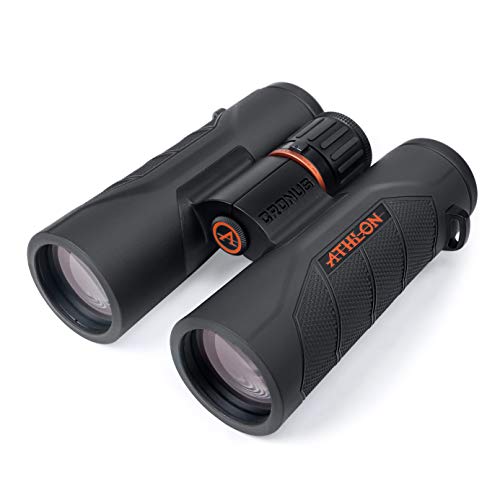
- Best for: Serious glassing where image quality and eye relief matter most.
- Magnification and objective: 10×42
- Model: Cronus G2 UHD, black
- Glass: High-powered UHD binoculars
- Eye relief: Stated in listing

- Best for: Rifle hunters who range long shots across open ground.
- Magnification and objective: 10x42mm
- Type: Laser binocular rangefinder
- Maximum reflective range: Up to 6000 yards
- Connectivity and modes: Bluetooth, multiple modes
All 3 Picks at a Glance
| Product | Specs | Action |
|---|---|---|
| TRV 10×42 Rangefinder Binoculars for Hunting |
| Check price on Amazon |
| Athlon Optics Cronus G2 UHD 10×42 Binoculars |
| Check price on Amazon |
| SIG SAUER KILO6K HDX 10x42mm Laser Binocular Rangefinder |
| Check price on Amazon |
Key takeaways
- Five hunting optics compared for deer season, from compact binoculars to laser rangefinder models, with magnification and low-light guidance.
The hardest part of choosing hunting optics is not the brand name on the housing. It is matching magnification, objective size, and ranging ability to the distances you hunt, because glass that suits open ridges can feel shaky and narrow in thick timber, while a compact pair that rides well on a long hike may run out of light at dawn and dusk. The five optics below were chosen from names and specifications stated on their Amazon listings, covering compact binoculars, full-size binoculars, and laser rangefinder binoculars.
Still hunters who sit a stand need steady, bright glass for low light, while spot-and-stalk hunters need reach and a wide field of view to pick apart distant cover. Hunters who range every shot benefit from a combined rangefinder binocular, and hunters who count every ounce may prefer a compact pair that disappears into a pack pocket. Each pick below states hunting use in its listing wording, and the specs quoted come from that listing alone.
Quick Picks
As an Amazon Associate we earn from qualifying purchases.
| Product | Best for | Key spec from title |
|---|---|---|
| Bushnell PowerView 10×50 Porro Prism Instafocus Binoculars | Low-light glassing from a stand | 10×50 Porro prism with InstaFocus |
| Occer 12×25 Compact Binoculars | Light packing on long hikes | 12×25 compact with large eyepiece |
| TRV 10×42 Rangefinder Binoculars for Hunting | Ranging deer and elk at distance | 10×42 rangefinder, 5000Y range |
| Athlon Optics Cronus G2 UHD 10×42 Binoculars | Premium glass for serious glassing | 10×42 UHD with eye relief |
| SIG SAUER KILO6K HDX 10x42mm Laser Binocular Rangefinder | Long-range ranging with reticle | 10×42 laser rangefinder, 6000 yards |
How to Choose
Match Magnification to Your Hunting Distance
Magnification decides how much detail you see and how steady the image feels in your hands. An 8x binocular gives a wide, calm view that suits timber and close cover, while a 10x pair is the common all-around choice because it adds reach without becoming hard to hold steady. Higher magnification, such as 12x or 18x, shows more detail at long range but narrows the field of view and magnifies every tremor, so it suits supported glassing from a rest or tripod better than quick offhand looks. Choose the lowest magnification that still shows the detail you need at your longest typical distance, since a steady wider view finds game faster than a shaky narrow one.
Size the Objective Lens for Low Light
The objective lens diameter, the second number in a 10×42 specification, controls how much light reaches your eyes at dawn and dusk. A 42mm objective balances brightness and carry weight for most hunters, while a 50mm objective gathers more light for stand hunting in dim timber but adds bulk that you feel on a long walk. A 25mm compact objective keeps weight down but gives up low-light performance, so it fits daylight hikes better than first-light glassing. Lens coatings matter too: fully multi-coated optics and extra-low-dispersion or ultra-high-definition glass improve contrast and color, which helps you separate a deer from brush in flat light.
Decide Whether You Need a Built-In Rangefinder
A rangefinder binocular combines glassing and distance measurement in one housing, which saves time and pack space when every shot needs a confirmed range. Check the maximum reflective range stated in the listing, since a model rated for several thousand yards on reflective targets will read much shorter distances on deer-sized game in poor light. Angle compensation matters for uphill and downhill shots, because the straight-line distance and the shooting distance differ on steep ground. If you hunt mostly flat fields at known distances, a plain binocular plus a separate rangefinder may serve you well, but hunters working ridges and valleys often prefer the combined unit.
Check Field Build, Weight, and Carry
Hunting optics live outdoors in rain, dust, and cold, so waterproof and fogproof construction is worth confirming in the listing before you buy. Weight matters more than it looks on paper: a full-size 50mm binocular with a harness rides fine on a stand but can drag on a ten-mile ridge hike, where a compact pair earns its place. Look at how the optic carries, since an included harness or chest pack keeps the glass protected and ready instead of swinging loose. Eye relief matters for hunters who wear glasses, and a locking diopter or tripod adaptability helps when you glass from a fixed position for long periods.
The 5 Best Options
Bushnell PowerView 10×50 Porro Prism Instafocus Binoculars
The Bushnell PowerView 10×50 suits hunters who glass from a fixed position in dim light, where its large 50mm objectives and Porro prism design gather more light than compact glass. The InstaFocus system is built for fast focusing when a deer steps into a lane, and the BK-7 multi-coated optics support a bright image for general hunting, birding, and hiking use. Its Realtree AP Camo finish blends with stand and blind cover. The full-size housing is heavier than a compact pair, so hunters who hike long ridges should weigh that bulk against the low-light advantage before choosing it.
Specs
- Magnification and objective: 10×50
- Prism type: Porro prism
- Focus system: InstaFocus system for fast focusing
- Optics: BK-7 multi-coated optics
- Finish: Realtree AP Camo
Best for: Stand hunters who need bright low-light glass and fast focusing.
Watch out for: Full-size 50mm housing adds bulk on long hikes.
ASIN: ⚠ B00AMPJAOK
Occer 12×25 Compact Binoculars for Adults and Kids
The Occer 12×25 is the pack-light option in this roundup, trading objective size for a compact housing that is easy to carry on long hikes and scouting trips. Its 12x magnification gives more reach than a typical 8x compact, and the large eyepiece and easy-focus design support quick looks at distant movement. The listing frames it for bird watching, cruise ships, outdoor hunting, travel, and sightseeing, so it suits hunters who glass in daylight and want a second pair that never stays behind. The 25mm objectives give up low-light brightness, so it is not the right pick for dawn and dusk stand hunting.
Specs
- Magnification and objective: 12×25
- Design: Compact binoculars
- Focus: Easy focus with large eyepiece
- Intended users: Adults and kids
- Stated uses: Bird watching, cruise ship, outdoor hunting, travel, sightseeing
Best for: Hunters who want a light, packable pair for daylight glassing and scouting.
Watch out for: 25mm objectives give up low-light performance at dawn and dusk.
ASIN: ⚠ B0756BXDTX
TRV 10×42 Rangefinder Binoculars for Hunting
- Best for: Open-country hunters who want ranging, compass, and angle data in one unit.
- Magnification and objective: 10×42
- Type: Rangefinder binoculars for hunting
- Maximum range: 5000Y
- Glass and build: ED, waterproof
Open-country hunters who want ranging, compass, and angle data in one unit.
Confirm ranging performance on game-sized targets, not only reflective targets.
The TRV 10×42 combines binoculars and a laser rangefinder in one housing, which suits hunters who range deer and elk across open country and need the distance before they shoot. The listing states a 5000Y range with ED waterproof construction, plus a built-in azimuth compass, angle of incline, and line-of-sight range readouts that help on sloped ground. The 10×42 configuration keeps the glass in the common all-around size for reach and brightness. As a combined unit it replaces two devices, but hunters should confirm the ranging performance on game-sized targets in their own conditions, since reflective-target ratings read longer than animal ranges.
Athlon Optics Cronus G2 UHD 10×42 Binoculars
- Best for: Serious glassing where image quality and eye relief matter most.
- Magnification and objective: 10×42
- Model: Cronus G2 UHD, black
- Glass: High-powered UHD binoculars
- Eye relief: Stated in listing
Serious glassing where image quality and eye relief matter most.
No built-in rangefinder, so ranging needs a separate unit.
The Athlon Cronus G2 UHD 10×42 is the premium daylight glass in this roundup, aimed at hunters who spend long hours behind the binocular and want high-powered ultra-high-definition optics for picking apart distant cover. The listing states eye relief for comfortable viewing, and the black 10×42 housing sits in the proven all-around size for hunting and birdwatching. Its high-powered UHD glass supports contrast and detail when you are separating antlers from branches at distance. It carries no built-in rangefinder, so hunters who range every shot will need a separate unit, and its premium positioning makes it a considered buy rather than a backup pair.
SIG SAUER KILO6K HDX 10x42mm Laser Binocular Rangefinder
- Best for: Rifle hunters who range long shots across open ground.
- Magnification and objective: 10x42mm
- Type: Laser binocular rangefinder
- Maximum reflective range: Up to 6000 yards
- Connectivity and modes: Bluetooth, multiple modes
Rifle hunters who range long shots across open ground.
Reflective range is a best-case figure; game ranges in poor weather will be shorter.
The SIG SAUER KILO6K HDX 10x42mm is built for hunters who range long shots, with a laser rangefinder rated up to 6000 yards of reflective range, Bluetooth, multiple modes, and a circle reticle for aiming reference. Its lightweight housing keeps a combined rangefinder binocular manageable in the field, and the tactical hunting framing suits rifle hunters working valleys and ridges. The 10×42 configuration preserves the familiar all-around view while adding ranging data to every look. Hunters should remember that reflective range is a best-case figure, and real ranging distance on game in rain or fog will be shorter, so practice with the unit before the season opens.
Which One Fits Your Situation
Glassing Open Country at First Light
Open-country hunters need brightness and reach, so a full-size 10×50 or a 10×42 rangefinder binocular fits best here. The larger objective gathers light when deer move at dawn, and the rangefinder models add confirmed distance before a long shot. A harness keeps the glass ready on your chest, and a tripod adapter helps for long sessions. Compact 25mm glass will feel dim in this role, so leave it for daylight scouting instead.
Still-Hunting Thick Timber
In thick timber, a wide field of view and a steady image beat raw magnification, so a 10×42 with good coatings and fast focus suits this style. Quick handling matters when movement appears, so easy focus and comfortable eye relief beat extreme range. Waterproof, fogproof construction and a camo finish suit wet brush and cover. Skip the heaviest full-size models here, since handling matters more than maximum light gathering at close range.
Ranging Shots Across a Valley
Valley hunters live on confirmed distances, so a laser rangefinder binocular is the natural pick for this situation. Look for angle compensation and a maximum range well beyond your longest shot, since slope and poor light both cut real ranging distance. A circle reticle helps you hold the unit on target while it reads. Practice ranging rocks and stumps at known distances before the season, so you trust the readout when a deer steps out.
Packing Light on a Long Hike
Long hikes punish every extra ounce, so a compact 12×25 pair fits hunters covering miles in daylight. It rides in a pack pocket or on a light harness, and its higher magnification still shows distant movement worth investigating. Accept the low-light trade-off, plan glassing for daylight hours, and carry the compact pair alone or as a backup to full-size glass left at camp. Protect it from dust and rain, since small housings still need care.
Common Mistakes
- Buying the highest magnification available without considering handshake and field of view.
- Choosing a 25mm compact objective for dawn and dusk stand hunting, where it runs out of light.
- Trusting a reflective-target maximum range as the distance the unit will read on game.
- Ignoring eye relief if you hunt with glasses, which leads to a cropped, uncomfortable view.
- Skipping waterproof and fogproof confirmation for optics that will live outdoors in all weather.
Frequently Asked Questions
Is 10×42 or 10×50 better for deer hunting?
It depends on how you hunt. A 10×42 balances reach, brightness, and carry weight for most hunters, while a 10×50 gathers more light for stand hunting at dawn and dusk but adds bulk. If you hike long distances, the 42mm objective usually wins; if you sit a stand in dim timber, the 50mm objective earns its weight.
Do I need a rangefinder binocular, or is a plain binocular enough?
A plain binocular is enough if you hunt flat ground at known distances or already carry a separate rangefinder. A rangefinder binocular earns its place when you hunt ridges and valleys, where every shot needs a confirmed range and angle compensation. It saves time and pack space by combining two tools, but it costs more and needs batteries.
What does UHD or ED glass actually do for hunting?
UHD and ED glass reduce color fringing and improve contrast, which helps you separate game from brush in flat or low light. The difference shows most at long range and at dawn and dusk, when ordinary glass washes out. It does not add magnification, so match the glass quality to how much time you spend glassing rather than buying it for its own sake.
Can one optic cover both deer and elk hunting?
Yes, a 10×42 binocular or rangefinder binocular covers both, since the glassing distances and light conditions overlap heavily. Elk country is often more open, so hunters there may value a rangefinder model and a wider field of view for spotting distant herds. Deer hunters in timber may prefer faster focus and lighter weight. Choose for your terrain first, and the species second.