Our Short List of 3
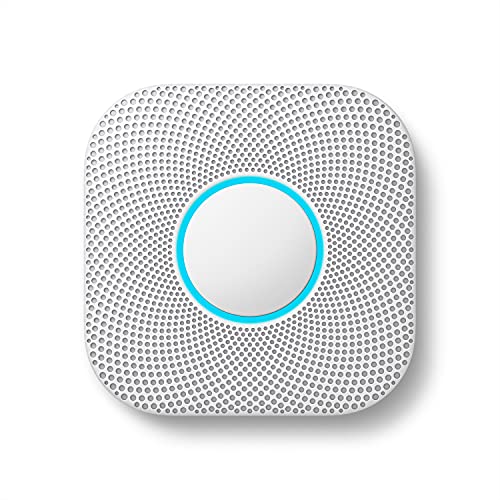
- Model: S3000BWES (2nd generation, battery version)
- Sensors: Split-spectrum smoke sensor, electrochemical CO sensor
- Power: 6 AA Energizer Ultimate Lithium batteries (included)
- Connectivity: Wi-Fi and Bluetooth Low Energy, phone alerts through the app

- Model: SCO500 (SCO501CN-3ST)
- Sensors: Photoelectric smoke sensor, electrochemical CO sensor
- Power: AA batteries (included)
- Interconnect: Wireless, links multiple compatible First Alert alarms

- Model: SC07
- Sensors: Photoelectric smoke sensor, Figaro electrochemical CO sensor
- Power: Sealed lithium battery, 10-year rated life
- Display: LCD showing live carbon monoxide levels
All 3 Picks at a Glance
| Product | Specs | Action |
|---|---|---|
| Google Nest Protect (Battery) — Premium Smart Pick |
| Check price on Amazon |
| First Alert SCO501CN-3ST — Wireless Interconnect for Multi-Room Flats |
| Check price on Amazon |
| X-Sense SC07 — Sealed 10-Year Battery with CO Display |
| Check price on Amazon |
Key takeaways
- The best smoke and carbon monoxide detectors for apartments, from smart Wi-Fi alarms to sealed 10-year battery models that need no wiring at all.
Apartment alarms are easy to ignore until the low-battery chirp starts at 3 a.m. Many rentals still run a single aging alarm the landlord installed years ago, and tenants usually cannot rewire a ceiling or add a hardwired circuit. The good news is that modern combination smoke and carbon monoxide detectors are almost all battery powered, mount with two screws, and ask nothing of the building wiring. This roundup covers five combination alarms that suit rented flats and small homes: one premium smart model, one Wi-Fi alarm with voice location, one wireless-interconnect pick for multi-room flats, one sealed 10-year unit, and one simple budget alarm.
As an Amazon Associate, we earn from qualifying purchases.
Quick Answer
For most apartments, the X-Sense SC07 is the simplest fit: a sealed 10-year battery, a live carbon monoxide display, and no wiring or app setup. Renters who want phone alerts should look at the X-Sense XP0A-iR or the Google Nest Protect while stock lasts, multi-room flats suit the interconnecting First Alert SCO501CN-3ST, and the First Alert SMCO100 covers the basics at the budget tier.
Why Apartments Need a Combination Alarm
Carbon monoxide is the risk apartment dwellers underestimate. Shared boiler rooms, attached parking garages, gas ranges, and a neighbour’s fuel-burning appliance can all push CO into a flat, and the gas has no smell or colour. A combination alarm pairs a smoke sensor with an electrochemical CO sensor in one case, so a single ceiling unit watches for both hazards and there is only one battery schedule and one replacement date to track.
Placement rules are the same as in a house: one alarm on every level, outside each sleeping area, and near fuel-burning appliances. In a studio or one-bedroom flat, a single well-placed unit in the hallway or main living space usually satisfies that layout, which is why standalone battery models work so well in apartments. Ceiling mounting or high wall placement follows most manufacturer guidance, since both smoke and carbon monoxide circulate through room air.
The Five Combination Alarms, Compared
Google Nest Protect (Battery) — Premium Smart Pick
- Model: S3000BWES (2nd generation, battery version)
- Sensors: Split-spectrum smoke sensor, electrochemical CO sensor
- Power: 6 AA Energizer Ultimate Lithium batteries (included)
- Connectivity: Wi-Fi and Bluetooth Low Energy, phone alerts through the app
The Nest Protect is the polished smart option. Its split-spectrum smoke sensor is paired with an electrochemical carbon monoxide sensor, and a spoken voice names the room and the hazard before the horn sounds, so steam from a shower does not trigger the same reaction as a real fire. It sends alerts to a phone, runs automatic self-checks of its sensor and batteries, and lights a motion-activated path light at night. One caution matters in 2026: Google has discontinued the Nest Protect line, so remaining units are existing stock. Check the manufacture date on the box, because the 10-year service life counts from that date, not from installation.
X-Sense XP0A-iR — Wi-Fi Alerts Without a Hub
The XP0A-iR is the straightforward smart pick for renters because it connects directly to a 2.4 GHz Wi-Fi network and reports through the X-Sense Home Security app, with no hub to buy and nothing to wire. It announces the location of the hazard in a spoken voice and pushes real-time alarm, low-battery, and fault notifications to a phone. The smoke sensor is photoelectric and the CO sensor is a Figaro electrochemical cell, the pairing worth having in a combo unit. Know its limits: it speaks only 2.4 GHz Wi-Fi, and XP0A-iR units do not interconnect, so each alarm reports on its own rather than triggering its neighbours. The replaceable CR123A battery keeps the unit serviceable instead of disposable.
Specs
- Detection: Photoelectric smoke sensor; Figaro electrochemical CO sensor
- Power: Replaceable CR123A battery, included
- Connectivity: 2.4 GHz Wi-Fi only; X-Sense Home Security app
- Alerts: Voice location announcements; real-time phone notifications; 85 dB siren
- Interconnect: None; each alarm reports to the app independently
- Service life: 10 years
First Alert SCO501CN-3ST — Wireless Interconnect for Multi-Room Flats
- Model: SCO500 (SCO501CN-3ST)
- Sensors: Photoelectric smoke sensor, electrochemical CO sensor
- Power: AA batteries (included)
- Interconnect: Wireless, links multiple compatible First Alert alarms
The SCO501CN-3ST solves the problem of the alarm you cannot hear from the bedroom. Units link wirelessly, so when one detects smoke or carbon monoxide, every linked alarm sounds, and the voice feature names the location programmed into the triggering unit, with 11 location options to choose from during setup. It runs on replaceable AA batteries, which keeps installation to a mounting bracket and a few minutes per room, and it suits larger flats and duplex rentals where one standalone alarm is not enough. There is no app and no phone alerts; the interconnect network is the whole point.
X-Sense SC07 — Sealed 10-Year Battery with CO Display
- Model: SC07
- Sensors: Photoelectric smoke sensor, Figaro electrochemical CO sensor
- Power: Sealed lithium battery, 10-year rated life
- Display: LCD showing live carbon monoxide levels
The SC07 removes battery maintenance entirely. A sealed lithium battery is rated for 10 years of continuous protection, matching the service life of the alarm itself, so the unit goes up once and comes down at replacement time. Its large LCD shows carbon monoxide concentration readings in real time, a feature none of the other battery models here offer, which helps spot a developing appliance problem before levels reach the alarm threshold. The SC07 works as a standalone unit with no interconnect and no app, which suits single-alarm placements such as a hallway outside the bedroom. It is certified to the UL 217 9th edition smoke standard and UL 2034 for carbon monoxide.
First Alert SMCO100 — Budget Battery-Powered Pick
The SMCO100 covers the essentials at the budget tier. It pairs a photoelectric smoke sensor with an electrochemical CO sensor and runs on two included AA batteries, so it mounts on any ceiling or wall with the included bracket and no wiring. First Alert’s Precision Detection sensing technology is designed to meet the current UL 217 standard while reducing nuisance alarms from cooking, a real consideration in small flats where the kitchen is never far from the alarm. A single test and silence button handles weekly checks and false-alarm silencing. There is no display, no interconnect, and no app, just a certified combination alarm that asks for a battery swap now and then.
Specs
- Model: SMCO100
- Sensors: Photoelectric smoke sensor, electrochemical CO sensor
- Power: 2 AA alkaline batteries (included)
- Alarm: 85 decibels at 10 feet, test and silence button
- Size and weight: 5.6 x 5.6 x 1.9 inches, 8.2 ounces
- Sensing: Precision Detection technology
- Warranty: 10-year limited
How to Choose
Start with the rental rules. Most leases allow battery alarms mounted with screws or adhesive pads, and none of the five picks here needs an electrician, so the real choice is about features rather than installation. If the flat already has hardwired alarms, tell the landlord before replacing anything; hardwired circuits are usually the owner’s responsibility.
Next, decide how much maintenance you will actually do. A sealed 10-year battery, like the SC07, asks for nothing until the alarm expires. Replaceable AA or CR123A cells cost less up front and need a swap every few years, and the alarm will chirp when that time comes. Either way, the whole unit is replaced at the end of its 10-year service life because the CO sensor degrades.
Then count the rooms. A studio or one-bedroom flat is well served by one standalone alarm. Larger flats benefit from interconnect, wireless in the case of the SCO501CN-3ST, so a kitchen event wakes the bedroom too. Finally, weigh the extras: phone alerts from the Nest Protect or XP0A-iR matter most for people who travel or keep pets at home, and a CO display, offered only by the SC07 here, shows low-level readings before they reach alarm thresholds.
Who Should Skip
Skip this roundup if your building provides and maintains hardwired alarms on a central system; adding standalone units can conflict with the building setup, and alarm faults are the landlord’s job to fix. Skip the smart models if the flat has no reliable Wi-Fi or if the network is 5 GHz only, since the XP0A-iR needs a 2.4 GHz band. And skip combination alarms entirely if a room needs a specialised detector instead, such as a heat alarm for a kitchen that produces constant cooking smoke; a photoelectric combo unit near the stove will mostly teach you where the silence button is.
Frequently Asked Questions
Where should a combination smoke and carbon monoxide detector go in an apartment?
Place one outside the sleeping area and on every level of the home, and add one near fuel-burning appliances such as a gas range or boiler cupboard. In a studio, a single unit in the main living space, mounted on the ceiling or high on a wall away from the kitchen steam path, covers the layout most guidance describes.
Can renters install these alarms without wiring or drilling?
Yes. All five alarms here are battery powered and mount with a small bracket, and several renters use heavy-duty adhesive pads where a lease forbids screws. Nothing connects to the building wiring, so installation and removal at move-out are both simple.
How long does a combination alarm last before it needs replacing?
Most combination alarms carry a 10-year service life counted from the manufacture date printed on the unit. The carbon monoxide sensor degrades over time, so replace the whole alarm at the end-of-life signal even if the smoke sensor still responds to a test.
Can one alarm really detect both smoke and carbon monoxide well?
Yes. Combination units house two separate sensors in one case, an electrochemical cell for carbon monoxide and a photoelectric or split-spectrum sensor for smoke. Each sensor is certified against its own standard, UL 2034 for carbon monoxide and UL 217 for smoke.
Final Verdict
For most apartments, the X-Sense SC07 is the set-and-forget choice, with a sealed 10-year battery and a carbon monoxide display no rival here matches. Renters who want warnings while away from home should choose between the X-Sense XP0A-iR and the Google Nest Protect, remembering that the Nest Protect line is discontinued and stock is finite. Multi-room flats are best served by the interconnecting First Alert SCO501CN-3ST, and the First Alert SMCO100 keeps a small flat protected at the budget tier with no features to manage.
Product and ASIN Reference
| Product | ASIN |
|---|---|
| Google Nest Protect (Battery) Smoke and Carbon Monoxide Alarm | B00XV1RCRY |
| X-Sense XP0A-iR Smart Smoke and Carbon Monoxide Detector | B0DDT3F5N5 |
| First Alert SCO501CN-3ST Wireless Combination Smoke and CO Alarm | B000EVO7C2 |
| X-Sense SC07 10-Year Battery Combination Smoke and CO Alarm | B09P52JX2R |
| First Alert SMCO100 Battery-Operated Combination Smoke and CO Alarm | B0CKTZ4GVW |