Our Short List of 3

- Best for: Buyers who want one complete 80mm kit for the range and the marsh.
- Magnification: 20-60x
- Objective lens diameter: 80mm
- Prism: BAK4
- Lens coating: fully multi-coated

- Best for: First-time buyers who want the longest zoom range for the least money.
- Magnification: 25-75x
- Objective lens diameter: 70mm
- Prism: BAK4
- Lens coating: fully multi-coated
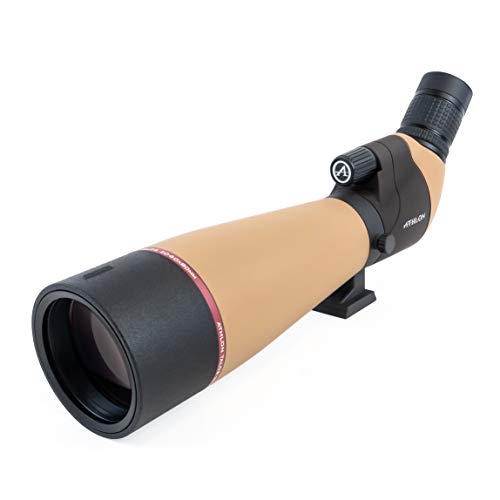
- Best for: Shooters and birders who already own a tripod and want sharper glass.
- Magnification: 20-60x
- Objective lens diameter: 80mm
- Prism type: Porro prism
- Coating: fully multi-coated
All 5 Picks at a Glance
| Product | Specs | Action |
|---|---|---|
| Gosky Flagship DiamondEdge 20-60×80 |
| Check price on Amazon |
| SVBONY SV28 25-75×70 |
| Check price on Amazon |
| Athlon Talos 20-60×80 |
| Check price on Amazon |
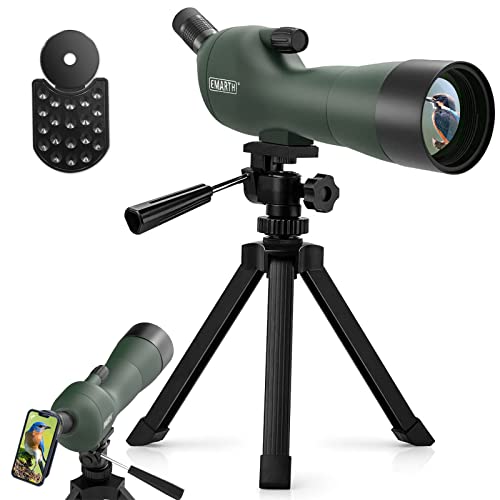 Emarth 20-60×60 |
| Check price on Amazon |
 Gosky FalconPro 20-60×80 |
| Check price on Amazon |
Key takeaways
- Looking for the best value spotting scope? We compare five affordable 20-60x and 25-75x scopes for birding, hunting and target shooting in 2026.
A spotting scope is the one optic where the gap between the cheapest tube and the next tier up is obvious, and the decision is not which scope is best in absolute terms but how much glass you can get for the money you are willing to spend. A scope that is sharp at 20x and muddy at 60x will frustrate you on the range, while a scope with a small objective will go grey at dusk just when birds are most active. The trick is matching objective size, zoom range and coatings to the way you will actually use it.
This article is for birders, target shooters and hunters who want a scope without paying for a premium brand name, and every pick below was chosen from names and specifications on its Amazon product page. The five scopes cover 60mm compacts for the trail, 70mm all-rounders for first-time buyers, and 80mm tubes for range work and low light, so you can see what each size class buys you.
Quick Picks
As an Amazon Associate we earn from qualifying purchases
| Product | Best for | Key spec from title |
|---|---|---|
| Gosky Flagship DiamondEdge 20-60×80 | All-round range and birding kit | 20-60x zoom, 80mm objective |
| SVBONY SV28 25-75×70 | First scope on a tight budget | 25-75x zoom, 70mm objective |
| Athlon Talos 20-60×80 | Sharpest glass for the money | 20-60x zoom, 80mm objective |
| Emarth 20-60×60 | Light carry on the trail | 20-60x zoom, 60mm objective |
| Gosky FalconPro 20-60×80 | Dual focusing for fine control | 20-60x zoom, 80mm objective |
How to Choose
Objective Lens Size and Light Gathering
The objective lens is the front glass, and its diameter decides how much light reaches your eye. A 60mm scope is light and easy to carry, but it will dim noticeably at high magnification and in the last hour of daylight. A 70mm tube is a sensible middle ground for a first scope, gathering enough light for morning birding while staying portable. An 80mm objective stays brighter at 40x and beyond, which matters when you are reading bullet holes at 200 yards or picking out a bird in a shaded treeline. If you mostly watch in good daylight, 60mm is enough; if you shoot at distance or watch at dawn and dusk, go 80mm.
Magnification Range and Usable Zoom
Most value scopes advertise 20-60x or 25-75x, but the top end of the zoom is where budget glass shows its limits. At 20x or 25x the image is wide, bright and easy to find your subject in, while at 60x or 75x the view narrows, darkens and softens. That does not make high zoom useless: even a slightly soft 60x view lets you confirm a hit on paper or identify a distant bird. Judge a scope by how it performs in the middle of its range, around 30x to 40x, because that is where you will spend most of your time. A scope that is crisp at 40x beats one that only claims 75x.
Glass, Prisms and Coatings
Three details on the specification sheet tell you most of what you need to know about image quality. BAK4 prisms pass more light than cheaper BK7 prisms and give a rounder, brighter exit pupil, so look for BAK4 in the listing. Fully multi-coated lenses reduce glare and keep colours true, and they matter more than any marketing label about high definition glass. A nitrogen-filled tube keeps the inside fog-free when you move from a warm car into cold morning air, and waterproof sealing protects the scope in rain. If a listing does not mention prism type or coatings, treat that as a warning sign rather than a detail you can ignore.
Eyepiece Angle, Tripod and Weather Sealing
An angled eyepiece sits at 45 degrees and is comfortable when the scope is mounted low, which is how most people use a tabletop tripod at the range or in a hide. A straight eyepiece is quicker to aim at a bird overhead but forces you to crouch behind the scope. The tripod in the box matters too: a full metal tabletop tripod holds steady at 40x, while a flimsy plastic one will shake and ruin the view. Check that the scope is waterproof and fogproof rather than merely water resistant, and confirm the tripod thread matches a standard mount if you plan to upgrade the tripod later.
The 5 Best Options
Gosky Flagship DiamondEdge 20-60×80
- Best for: Buyers who want one complete 80mm kit for the range and the marsh.
- Magnification: 20-60x
- Objective lens diameter: 80mm
- Prism: BAK4
- Lens coating: fully multi-coated
Buyers who want one complete 80mm kit for the range and the marsh.
The image softens at the very top of the 60x zoom, so expect your sharpest views between 20x and 40x.
The Gosky Flagship DiamondEdge is the complete kit most first-time buyers should start with, because it pairs an 80mm objective with everything a beginner needs in the box. The 20-60x zoom covers scanning a treeline at low power and reading targets at distance, and the BAK4 prism with fully multi-coated lenses keeps the image bright enough for range work in good light. A metal tabletop tripod, a phone adapter for digiscoping and a carrying bag are all included, so there is nothing else to buy before your first outing.
SVBONY SV28 25-75×70
- Best for: First-time buyers who want the longest zoom range for the least money.
- Magnification: 25-75x
- Objective lens diameter: 70mm
- Prism: BAK4
- Lens coating: fully multi-coated
First-time buyers who want the longest zoom range for the least money.
The 75x top end is best treated as a spotting aid rather than a sharp viewing power, and the view darkens noticeably past 50x.
The SVBONY SV28 is the cheapest way into a genuinely usable spotting scope, and its 25-75x zoom gives you more reach on paper than anything else at this level. The 70mm objective sits between the compact 60mm class and the full-size 80mm tubes, gathering enough light for daytime birding and target shooting while keeping the scope portable. It ships with a tripod and a phone adapter, the body is waterproof to IP65, and the angled eyepiece is comfortable for long sessions behind the scope at the range.
Athlon Talos 20-60×80
- Best for: Shooters and birders who already own a tripod and want sharper glass.
- Magnification: 20-60x
- Objective lens diameter: 80mm
- Prism type: Porro prism
- Coating: fully multi-coated
Shooters and birders who already own a tripod and want sharper glass.
No tripod is included in the box, so budget for a sturdy tabletop or full-size tripod if you do not own one.
The Athlon Talos is the pick for buyers who care more about the glass than the accessories, because it puts the money into optics rather than a bundled tripod. The 80mm objective and fully multi-coated lenses deliver a cleaner image at the edges than most scopes at this level, and the nitrogen-purged tube stays fog-free when the temperature drops. A Porro prism design keeps the build straightforward and rugged, and the 2.4 lb body balances well on a decent tripod. It is the scope to choose when you already own a tripod and want the sharpest picture available for the money.
Emarth 20-60×60
- Best for: Hikers and travellers who want the lightest scope that still reaches 60x.
- Magnification: 20-60x
- Objective lens diameter: 60mm
- Prism: BAK4
- Lens coating: fully multi-coated
Hikers and travellers who want the lightest scope that still reaches 60x.
The 60mm objective goes dim earlier at dusk than the 70mm and 80mm scopes here, so it suits daytime use best.
The Emarth 20-60×60 is the compact option for anyone who carries a scope in a daypack, and its 60mm objective keeps the tube short enough to pack without dominating your bag. The 20-60x zoom is the same useful range as the full-size scopes here, and the BAK4 prism with fully multi-coated lenses gives a bright image in daylight. A 14 inch tabletop tripod and a carry bag are included, the nitrogen-filled body resists fogging, and the 17mm eye relief works well for eyeglass wearers who need a little extra distance from the eyepiece.
Gosky FalconPro 20-60×80
- Best for: Buyers who want fine focus control and a complete 80mm kit.
- Magnification: 20-60x
- Objective lens diameter: 80mm
- Prism: BAK4
- Focus: dual focusing knobs
Buyers who want fine focus control and a complete 80mm kit.
Dual focusing takes a few outings to get used to, and the two Gosky 80mm models look similar, so check the model name before ordering.
The Gosky FalconPro is the second 80mm Gosky in this list, and it earns its place with dual focusing knobs that give finer control than a single focus ring. One knob brings the image close quickly while the other refines it, which helps when you are tracking a bird or reading a tight group on paper at high magnification. The 45 degree angled eyepiece is comfortable for long sessions, the BAK4 prism keeps the image bright, and the kit includes a tripod, a phone adapter and a carrying bag, so it is ready to use out of the box.
Which One Fits Your Situation
Your First Scope for Birding on a Budget
Pick the SVBONY SV28 if you are buying your first scope and want the most reach for the least money, because the 25-75x zoom and 70mm objective cover birding and target shooting in one package. The included tripod and phone adapter mean you can start digiscoping on day one, and the IP65 sealing handles rain without worry.
Range Days Spotting Bullet Holes
Pick the Gosky Flagship DiamondEdge for range work, because the 80mm objective stays bright enough to read holes on paper at 200 yards and the complete kit includes a metal tripod that holds steady at 40x. The wide field of view at 20x also makes it easy to find your target before zooming in.
Hiking Light With a Scope in Your Pack
Pick the Emarth 20-60×60 when weight and pack space matter, because the 60mm tube is the shortest and lightest here while still reaching 60x. It is the right call for trail birding and short hikes, though you should plan your viewing for daylight hours when the smaller objective performs best.
Sharpest Glass Without a Big Jump in Cost
Pick the Athlon Talos if you already own a good tripod and want the cleanest image available at this level, because its fully multi-coated optics and nitrogen-purged body hold up better at the edges and in damp conditions. You give up the bundled accessories, but the glass is where the money went.
Common Mistakes
- Buying the highest magnification number instead of the best glass at 30x to 40x, where you will actually spend your time.
- Choosing a 60mm scope for dawn and dusk viewing, then finding the image too dim when birds are most active.
- Using the flimsy tripod in the box at 60x and blaming the scope for a shaky image.
- Ignoring prism type and coatings, which matter far more than a high definition label on the box.
- Expecting a budget scope to stay tack sharp at maximum zoom, when even premium scopes soften at the top of their range.
Frequently Asked Questions
What magnification is best for a first spotting scope?
A 20-60x zoom is the safest starting point, because 20x gives a wide, bright view for finding birds or targets, and 60x is enough to read detail at 200 yards. Scopes that start at 25x give a little more reach but a narrower view at the low end, which can make finding a subject harder for a beginner.
Is an 80mm objective worth it over a 60mm one?
An 80mm objective gathers noticeably more light, so the image stays brighter at high magnification and in the last hour of daylight. A 60mm scope is lighter and easier to carry, and it performs well in bright conditions. If you mostly watch at dawn, dusk or long range, the 80mm is worth the extra size and weight.
Do budget spotting scopes work for bird watching?
Yes, provided you set your expectations correctly. A value scope with BAK4 prisms and fully multi-coated lenses gives a clear, bright view at 20x to 40x, which covers most birding. The image will soften at maximum zoom and in poor light, but for identifying birds in daylight a budget scope is more than capable.
Why does the image go soft at maximum zoom?
High magnification spreads the available light over a larger image, so the view darkens and any small flaw in the glass becomes visible. Heat shimmer, a shaky tripod and atmospheric haze add to the effect at distance. Backing off to 40x usually restores a sharp image, and a sturdy tripod makes a bigger difference than extra zoom.