Our Short List of 3

All 3 Picks at a Glance
| Product | Specs | Action |
|---|---|---|
| 1. SONAX Wheel Cleaner Full Effect — The Colour-Changing Iron Remover | Check price on Amazon | |
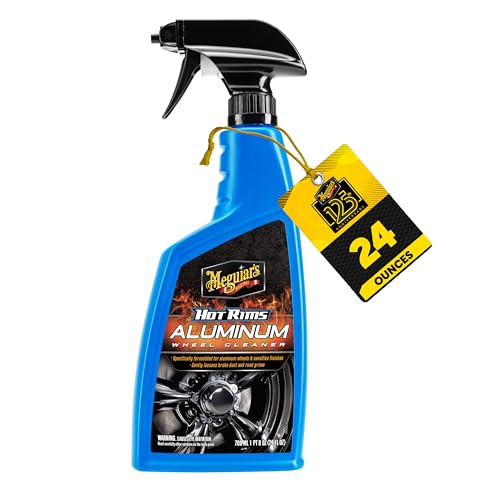
| 2. Meguiar’s Hot Rims Aluminum Wheel Cleaner — Made for Aluminium Itself | Check price on Amazon | |
 3. P&S Brake Buster — The Non-Acid Workhorse for Frequent Washing | Check price on Amazon |
Key takeaways
- Alloy-safe rim cleaners compared: SONAX Wheel Cleaner Full Effect, Meguiar's Hot Rims Aluminum, P&S Brake Buster and Chemical Guys Diablo, with the acid-based versus pH-neutral and iron remover differences that matter for alloy finishes.
As an Amazon Associate we earn from qualifying purchases.
Disclosure: This article contains affiliate links. If you buy through a link on this page, we may earn a commission at no extra cost to you.
Alloy wheels punish the wrong cleaner. Most factory and aftermarket alloy rims are finished with paint and a clear coat, many are polished or machined with exposed metal details, and some are anodised or powder coated. A harsh acid-based cleaner that a steel wheel would shrug off can dull a clear coat, stain polished aluminium, and leave permanent spotting on an anodised finish in a single wash. That is why the keyword here is not just wheel cleaner but alloy rim cleaner: the product has to dissolve brake dust — which is largely iron particles from the pads and rotors — without attacking the finishes alloy wheels are actually made with.
Every pick in this guide is a liquid wheel cleaner whose maker states it is safe for alloy or aluminium wheels, and each one approaches the job with a different chemistry. This guide explains those chemistries plainly, because choosing between an iron-reactive cleaner, a pH-balanced maintenance spray, and a dedicated aluminium formula matters more than choosing between brands. Wheel waxes, metal polishes and tyre dressings are not cleaners and were deliberately left out, even where a brand sells them alongside the products below.
Quick Comparison
| Pick | Best for | Chemistry | Format |
|---|---|---|---|
| SONAX Wheel Cleaner Full Effect | Baked-on brake dust you want to see dissolving | Non-acid, colour-changing iron remover | 500 ml spray |
| Meguiar’s Hot Rims Aluminum Wheel Cleaner | Uncoated, polished and anodised aluminium | Aluminium-specific foaming gel, model G14324 | 24 oz spray |
| P&S Brake Buster | Frequent washing and mixed wheel finishes | Non-acid, dilutable, corrosion inhibitor | Gallon and smaller sizes listed |
| Chemical Guys Diablo | Gentle routine cleaning on delicate finishes | pH-balanced, oxygen-infused gel and spray | 16 oz bottles listed, including two-bottle spray pack |
The Three Chemistries, and Why the Distinction Matters
Acid-based wheel cleaners are the old professional shortcut. They dissolve brake dust and oxidation fast, and they are also the chemistry most likely to damage an alloy wheel: acid can etch clear coat, cloud polished metal and stain anodised surfaces, especially if it is allowed to dry or used on a hot wheel. None of the picks in this guide is an acid cleaner, and that is a deliberate editorial line. If a product you are considering does not state its chemistry, or is marketed for professional use on neglected wheels without naming the finishes it is safe on, treat it as the wrong product for finished alloy rims.
pH-neutral and pH-balanced cleaners are the maintenance end of the scale. They rely on surfactants and foaming agents to lift road grime and fresh brake dust, they are the safest option for delicate finishes such as matte, polished and custom wheels, and they can be used at every wash. Their limit is contamination: brake dust that has been baked on through months of heat cycles bonds to the finish, and a gentle maintenance cleaner will improve it without fully removing it. That is a chemistry limit, not a product failure, and it is why serious routines pair a maintenance cleaner with an occasional decontamination step.
Iron removers fill that decontamination role. These formulas react with iron particles and typically change colour — the familiar bleeding purple or red effect — as they dissolve the embedded metal so it can be rinsed away. The good wheel-specific versions are non-acid and pH-balanced despite that aggressive-looking reaction, which is what makes them suitable for alloy finishes. Use them on cool wheels, do not let them dry on the surface, and rinse thoroughly. Used that way, an iron-reactive cleaner is the correct answer for wheels that a normal wash no longer brings back.
Two working rules apply to every chemistry here. First, clean wheels when they are cool and in shade; heat speeds reactions and dries product onto the finish, which is when staining happens. Second, the label’s finish list is the authority. A cleaner stated safe for clear-coated and painted alloy is not automatically safe for raw polished aluminium, and a cleaner made for uncoated aluminium is not automatically the gentlest choice for a matte powder coat. Match the product to your wheel’s actual finish, not to the word alloy on the bottle.
1. SONAX Wheel Cleaner Full Effect — The Colour-Changing Iron Remover
SONAX Wheel Cleaner Full Effect is the decontamination pick. The Amazon listing for this ASIN describes the product, model 230200, as a non-acid rim cleaner and non-acid iron remover in a 500 ml bottle, built around a colour-changing reaction: it sprays on a fluorescent yellow-green and turns deep red or purple as it reacts with the iron in brake dust. That visible change is more than theatre — it shows you where the contamination is heaviest and when the reaction has done its work, which makes the product unusually easy to use correctly.
SONAX states the formula is safe for all factory-installed wheels, and coverage of the model describes it as acid-free and pH-balanced, suitable across steel, alloy, painted, chrome-plated, polished and matt rim finishes. That breadth is why Full Effect has become the reference iron-reactive wheel cleaner: it does the decontamination job that maintenance sprays cannot, while staying in the non-acid chemistry class that finished alloy wheels require. For a set of alloys that have gone a season without a deep clean, this is the product that resets them to a state a normal cleaner can then maintain.
Use it with the discipline iron removers demand. Apply to cool, dry or rinsed wheels, allow the stated dwell while the colour develops, agitate stubborn areas with a soft wheel brush, and rinse completely before the product can dry. The sulphur-like smell typical of iron-reactive chemistry is normal for the type. And because it is a treatment rather than a weekly shampoo, most owners will get the best routine by pairing it with a gentler maintenance cleaner from this list rather than reaching for it at every wash.
2. Meguiar’s Hot Rims Aluminum Wheel Cleaner — Made for Aluminium Itself
Meguiar’s takes the opposite approach to SONAX: instead of one formula for every finish, the Hot Rims line splits by wheel material, and the Aluminum version, model G14324, is the one formulated for the metal this keyword is about. This ASIN is listed as the Meguiar’s Hot Rims Aluminum Wheel Cleaner in a 24 oz spray, described as a deep foaming rim cleaner for aluminium wheels.
The reason a dedicated aluminium formula matters is the uncoated wheel. Most alloy cleaners are written for clear-coated wheels, where the cleaner only ever touches paint. A polished or uncoated aluminium wheel has no such barrier, and Meguiar’s describes this formula as safe for uncoated and polished aluminium as well as anodised and powder coated wheels — the finish set where generic cleaners are most likely to leave marks. The foaming gel format supports that careful brief: the foam clings to spokes and rim details instead of running straight off, loosening oxidation, grit and brake dust so that a soft brush or microfibre can lift it without hard scrubbing of a soft metal surface.
The cautions follow from the same specialisation. Meguiar’s sells separate Hot Rims formulas for other finishes, including a chrome version, and the brand itself warns the chemistries are not interchangeable — the chrome cleaner, for example, is not for aluminium. So confirm you are holding the Aluminum bottle, and if your wheels are painted and clear-coated from the factory rather than bare or polished metal, a broad pH-balanced cleaner below may suit your routine better. For owners of polished, machined or uncoated aluminium wheels, though, this is the most precisely aimed product in the guide.
3. P&S Brake Buster — The Non-Acid Workhorse for Frequent Washing
P&S Brake Buster is the professional-detailer staple in this group, and its appeal for alloy owners is economy without acid. The Amazon listing for this ASIN describes P&S Professional Detail Products Brake Buster Wheel Cleaner as a non-acid formula that removes brake dust, dirt and corrosion, and the product’s listings state it is safe for all wheel finishes, including chrome, aluminium, powder coat and painted wheels. It comes from the Renny Doyle Double Black collection, P&S’s professional line, and it is sold in sizes from a pint up to a gallon, which tells you the intended audience washes wheels often.
Two properties set Brake Buster apart from the other maintenance options. First, it dilutes: detailer documentation for the product describes diluting it for routine maintenance and using it stronger for heavy build-up, so one container covers both the weekly wash and the occasional neglected wheel. Second, P&S describes the formula as depositing a corrosion-inhibiting layer as it cleans, a small but real benefit for alloy wheels whose finishes are chipped at the edges or whose bare details are exposed to road salt and brake dust between washes.
The honest limit is the one shared by its chemistry class. Brake Buster is a non-acid maintenance cleaner with no iron-reactive component, so it gives no colour-change feedback and will not fully dissolve iron that has bonded into a neglected finish — that job belongs to the SONAX above. What it does better than any other pick here is the regular job: spray on cool wheels and tyres, allow a short dwell, agitate with a soft brush where needed, and rinse. For an alloy owner who washes the car every week or two, that routine, at dilutable cost, is the most sustainable way to keep brake dust from ever becoming the baked-on kind.
4. Chemical Guys Diablo — The pH-Balanced Gentle Cleaner
ASIN: N/A — no reliable Amazon US ASIN for the Diablo spray or gel could be confirmed from an indexed listing during research, so no code is printed rather than risk a wrong one. The model, its sizes and its finish compatibility are confirmed from the manufacturer and retailer listings summarised below.
Chemical Guys Diablo is the gentlest brief in this guide: a pH-balanced wheel cleaner for owners whose first priority is not harming the finish. Listings for the spray version, model CLD_998_1602, describe Diablo as a pH-balanced spray in two 16 oz bottles that lifts brake dust, road grime and dirt, and state it is safe for chrome, aluminium, painted, powder-coated and custom wheels. Chemical Guys also sells Diablo as a gel concentrate that clings to vertical wheel surfaces for longer dwell and can be diluted for regular cleaning, with the same all-finish positioning, including matte finishes in the maker’s own descriptions.
That gentleness defines both its best use and its ceiling. As a weekly or fortnightly maintenance cleaner on wheels that are already in good condition — especially delicate finishes such as matte powder coat, polished lips, or expensive custom alloys where a mistake is costly — Diablo’s pH-balanced, oxygen-infused foam approach is exactly the right level of aggression. The gel’s cling also suits intricate spoke designs, where a thin spray runs off before it can work.
The trade-off is heavy contamination. Listings and detailing coverage are consistent that Diablo is a maintenance product: on wheels carrying months of baked-on brake dust, expect improvement rather than a full reset, and plan an iron-remover treatment first. Buyers should also note which Diablo they are ordering, because the ready-to-use spray and the dilutable gel concentrate are different products under the same name. Within its intended role, though, Diablo is the pick for the alloy owner who would rather clean gently and often than aggressively and rarely.
How to Clean Alloy Rims Without Damaging Them
Whatever cleaner you choose, the method protects the finish as much as the chemistry does. Rinse the wheels first to remove loose grit, because dragging dry grit across a clear coat with a brush is how wash scratches start. Work one wheel at a time on cool wheels in shade, so the product never dries on the surface. Use brushes made for wheels — soft bristles for faces, a barrel brush for the inner rim — and keep a separate wash mitt for wheels rather than using the one that touches your paint, because brake dust is abrasive and full of metal particles. Rinse thoroughly, including behind the spokes and around the lug nuts where cleaner pools, and dry the wheel to prevent water spotting on polished details.
Frequency beats intensity. Brake dust is corrosive as it sits, and it bonds harder with every heat cycle, so a gentle clean every week or two prevents the build-up that later tempts people toward harsh acid products. Save the iron remover for the seasonal deep clean or for a newly bought used car whose wheels have an unknown history. And after cleaning, remember that protection products — waxes and sealants made for wheels — are a separate step and a separate product type; they make the next clean easier but they do not clean, which is why none appears in the picks above.
Buying Checklist for an Alloy Rim Cleaner
Read the finish list on the label and match it to your wheels: clear-coated, painted, polished, machined, anodised, powder coated and matte finishes do not all tolerate the same chemistry. Prefer a product that states its chemistry — non-acid, pH-neutral or pH-balanced, or iron-reactive — over one that only promises strength. Decide which job you are buying for: weekly maintenance, or decontaminating neglected wheels, and buy the chemistry for that job rather than expecting one bottle to be best at both. If you run bare or polished aluminium, choose a formula that names uncoated aluminium explicitly. Check the format as well as the brand, since sprays, clinging gels and dilutable concentrates suit different routines and budgets per wash. Finally, plan the tools with the cleaner — soft wheel brushes and a dedicated wheel mitt are part of cleaning alloy rims safely, not accessories to think about later.
Choose on chemistry and finish compatibility first and brand second, and an alloy rim cleaner stops being a gamble: the right formula removes the brake dust while leaving the finish — the expensive part of the wheel — exactly as it was.