Our Short List of 3

- Best for: New traditional shooters who plan to move up in draw weight on a single riser.
- Bow length: 62 in
- Draw weight: 25–60 lb
- Draw length: 28 in
- Hand orientation: Right or left hand

- Best for: Taller archers and long draws who want takedown limbs without finger pinch.
- Bow length: 64 in
- Draw weight: 25–55 lb
- Hand orientation: Right or left hand
- Riser: Dymondwood, white oak, padouk and hard maple
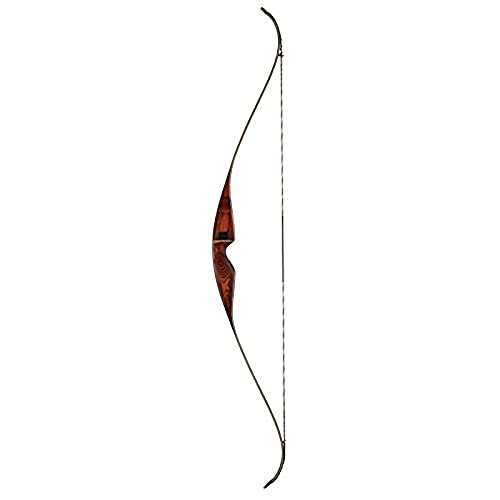
- Best for: Experienced traditional hunters who want a compact one-piece bow for brush and blinds.
- Bow length: 58 in
- Draw weight: 55 lb (this listing)
- Hand orientation: Right hand
- Model: AFT2086155
All 4 Picks at a Glance
| Product | Specs | Action |
|---|---|---|
| Samick Sage Takedown Recurve Bow |
| Check price on Amazon |
| Southwest Archery Spyder XL |
| Check price on Amazon |
| Bear Archery Grizzly Recurve Bow |
| Check price on Amazon |
 SAS Pioneer Longbow |
| Check price on Amazon |
Key takeaways
- Four non-compound bows compared on listing specs: two takedown recurves, a one-piece hunting recurve and a 68-inch longbow, plus draw and hand guidance.
Choosing a non-compound bow is a decision about feel as much as numbers. With no cams, cables or let-off, the bow you draw is the bow that shoots, so draw weight, bow length and limb shape decide whether practice builds good form or bad habits. The first real choice is geometry: a recurve stores more energy in a shorter frame, while a longbow trades that compactness for a smoother, quieter draw. The second choice is commitment, because a one-piece bow fixes your draw weight, while a takedown lets you change limbs as you grow stronger.
This roundup suits three kinds of buyer: adults starting traditional archery, compound shooters adding a stickbow for the off season, and hunters who want a field bow with nothing to tune. Every pick below is a recurve or longbow taken from its Amazon listing name and specifications, and the figures quoted are the ones on those listings: bow length, draw weight range, hand orientation and what arrives in the box.
Quick Picks
As an Amazon Associate we earn from qualifying purchases.
| Product | Best for | Key spec from title |
|---|---|---|
| Samick Sage Takedown Recurve Bow | Growing stronger on one riser | 62 in, 25–60 lb draw |
| Southwest Archery Spyder XL | Draw lengths past 29 inches | 64 in, 25–55 lb draw |
| Bear Archery Grizzly Recurve Bow | One-piece hunting recurve | 58 in, 55 lb draw |
| SAS Pioneer Longbow | Classic one-piece longbow | 68 in, 50 lb draw |
How to Choose
Recurve or Longbow Geometry
A recurve’s tips curl away from the archer, which puts more of the limb to work early in the draw and stores extra energy in a shorter bow. That is why hunting recurves cluster around 58 to 62 inches. A longbow’s limbs stay nearly straight, so the bow runs longer, commonly 66 to 70 inches, and the draw builds gradually with less stacking near the end. Longbows feel calmer and quieter; recurves feel livelier and fit tighter spaces. Neither is better in the abstract. Pick the recurve for brush, blinds and travel, and the longbow for open ranges and a relaxed shot cycle.
Draw Weight You Can Hold With Form
Draw weight is the figure buyers get wrong most often, because a weight that feels manageable for three shots can wreck your form by the thirtieth. Listings print weight at a 28-inch draw, and every extra inch you pull adds roughly two to three pounds. New traditional shooters usually learn best between 25 and 35 pounds, where holding at anchor stays calm enough to aim. Hunting weights start higher, and state rules often set minimums for game. If you expect your strength to climb within a year, a takedown with swappable limbs turns one bow into several.
Bow Length Against Your Draw Length
Bow length and draw length work as a pair. A longer bow opens the string angle at full draw, which spreads pressure across your fingers and softens the pinch that short bows produce past 28 inches. Archers drawing 29 inches or more should look at 64- to 68-inch bows, or a takedown with an XL riser and limb set. Shorter bows, 58 to 62 inches, suit average draws and carry better through brush, vehicles and tight blinds. Measure your draw length before ordering: wingspan divided by 2.5 is a workable estimate, and a shop measurement is better still.
Hand Orientation, Rests and Bushings
Hand orientation names the hand that holds the bow, not the hand that draws. A right-hand bow is held in the left hand and drawn with the right, and most listings sell right-hand builds first, with left-hand versions sometimes limited to fewer draw weights. Check the variant selector carefully, because titles often headline one hand while the options cover both. Then look at the small hardware: an included stick-on or hair rest suits shooting off the shelf, while pre-installed threaded bushings let you add a plunger, stabilizer or quiver as your shooting develops.
The 4 Best Options
Samick Sage Takedown Recurve Bow
- Best for: New traditional shooters who plan to move up in draw weight on a single riser.
- Bow length: 62 in
- Draw weight: 25–60 lb
- Draw length: 28 in
- Hand orientation: Right or left hand
New traditional shooters who plan to move up in draw weight on a single riser.
Arrows and a bow stringer are not in the box, and the stick-on rest is a starter piece most archers later replace.
The Samick Sage Takedown Recurve Bow is the default starting point for adults moving into traditional archery, because its limbs unbolt and swap as your strength and form improve. The listing spans 25 to 60 pounds, so one riser can carry a shooter from first lessons to hunting weight without a second bow. Its wooden riser keeps the traditional look, while pre-installed threaded brass bushings leave room for a plunger, stabilizer or quiver later. Right- and left-hand versions are both listed, and the package covers the bow, string and a stick-on rest.
Southwest Archery Spyder XL
- Best for: Taller archers and long draws who want takedown limbs without finger pinch.
- Bow length: 64 in
- Draw weight: 25–55 lb
- Hand orientation: Right or left hand
- Riser: Dymondwood, white oak, padouk and hard maple
Taller archers and long draws who want takedown limbs without finger pinch.
At 64 inches it still travels long even when taken down, and draw weights top out at 55 pounds.
The Southwest Archery Spyder XL stretches the takedown idea to 64 inches for archers whose draw runs long. The extra length softens the string angle at full draw, which eases finger pinch for draws past 29 inches. Its riser blends dymondwood, white oak, padouk and hard maple, and the limbs pair hard maple with black fiberglass. Draw weights run from 25 to 55 pounds in right- and left-hand builds. A stringer tool and stick-on rest come in the box, so first setup needs no separate run for the basics.
Bear Archery Grizzly Recurve Bow
- Best for: Experienced traditional hunters who want a compact one-piece bow for brush and blinds.
- Bow length: 58 in
- Draw weight: 55 lb (this listing)
- Hand orientation: Right hand
- Model: AFT2086155
Experienced traditional hunters who want a compact one-piece bow for brush and blinds.
Right hand only in this listing, and 55 pounds is too much bow for learning form.
The Bear Archery Grizzly Recurve Bow is a one-piece 58-inch recurve for shooters who want a hunting bow with no limb bolts to check. This listing is the 55-pound right-hand build in brown maple, a draw weight aimed at experienced traditional hunters rather than first-year learners. The shorter frame handles brush and blind corners better than the longer bows in this group, and the one-piece layout keeps the bow simple in the field. There are no limbs to swap later, so the weight you order is the weight you keep.
SAS Pioneer Longbow
- Best for: Club and range shooters who want the classic longbow draw and off-the-shelf simplicity.
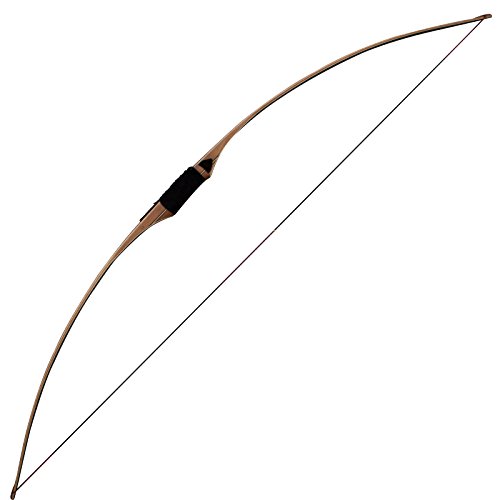
- Bow length: 68 in
- Draw weight: 50 lb (this listing)
- Hand orientation: Right hand
- Riser: Makore wood and Cassia Siamea
Club and range shooters who want the classic longbow draw and off-the-shelf simplicity.
Right hand only, and a 68-inch one-piece bow is awkward in small cars and dense cover.
The SAS Pioneer Longbow is the true longbow of this group, a one-piece 68-inch bow with a Makore and Cassia Siamea riser and maple limbs laminated with fiberglass. This listing is the 50-pound right-hand build. The long limbs draw smoothly and forgive small release errors, which suits club shooting, traditional events and unhurried range practice. A hair arrow rest is included for shooting off the shelf. There is nothing to assemble and nothing to tune, but the full-length frame needs storage and vehicle space to match.
Which One Fits Your Situation
You Are New and Still Getting Stronger
Start with the Samick Sage in a light draw weight and treat the first limb set as a training tool. Its 25-pound starting point lets you hold at anchor without shaking, and when your form settles you can bolt on heavier limbs instead of replacing the bow. The Spyder XL works the same way if your draw runs long. Either path keeps the riser, grip and sight picture familiar while the weight climbs, which is what consistent practice needs.
Your Draw Measures 29 Inches or More
Long draws punish short bows with finger pinch and stacking, so length is your first filter. The Spyder XL at 64 inches keeps the string angle comfortable past 29 inches while staying a takedown. If you prefer a one-piece, the 68-inch SAS Pioneer gives the smoothest draw in this group, at the cost of carrying a full-length bow everywhere. The 58-inch Grizzly and 62-inch Sage will feel cramped at your anchor, however well they suit average draws.
You Hunt Thick Cover and Blinds
Take the Bear Archery Grizzly. At 58 inches it is the shortest bow here, so it clears blind windows and brush with the least fuss, and the one-piece frame has no limb bolts to loosen on a rough ride in. Its 55-pound draw suits experienced hunters shooting heavier arrows at close range. The trade is real: there is no lighter limb set for off-season form work, so practice sessions need an honest read on your strength that day.
You Want the Old-School Longbow Feel
Choose the SAS Pioneer and accept its terms. The 68-inch one-piece frame draws with the calm, gradual build that longbow shooters chase, and the hair rest keeps shooting off the shelf simple. It asks for room in return: a long case, a vehicle that fits it, and a range where a tall bow is welcome. If that rhythm is the point of your shooting, the two takedown recurves will feel like appliances by comparison.
Common Mistakes
- Ordering hunting weight first: a 50- or 55-pound bow bought on day one usually teaches a flinch, not form; start light and move up in steps.
- Reading hand orientation backwards: a right-hand bow is held in the left hand, and picking the wrong variant is the most common reason buyers end up exchanging a bow.
- Ignoring draw length: a 58-inch bow drawn to 31 inches stacks hard and pinches fingers, however strong the shooter is.
- Skipping the stringer: forcing takedown limbs into place by hand can twist a limb; use the stringer tool the listing includes, or add one to the order.
- Storing a wooden bow strung in a hot car or damp shed: heat and moisture stress wood and laminate limbs, so unstring the bow and store it flat and dry.
Frequently Asked Questions
Is a non-compound bow the same thing as a traditional bow?
Mostly, yes. Traditional archery covers recurves, longbows and self bows, all shot without cams, cables or mechanical releases doing the work. Non-compound is the wider label, since it also covers simple fiberglass youth bows and horsebows. The four picks here sit inside the traditional family: two takedown recurves, a one-piece hunting recurve and a one-piece longbow.
What draw weight should a beginner start with?
For most adults, 25 to 35 pounds at a 28-inch draw is the honest starting band. That range lets you hold at anchor, aim and release without your shoulder creeping up, which is where good form comes from. Weights are printed at 28 inches, so a longer draw adds a few pounds on top. Move up in five-pound steps only when a full session stays comfortable.
Takedown or one-piece: which suits a first bow better?
A takedown suits most first-time buyers because the limbs swap as strength grows, and the bow packs down for travel and storage. A one-piece bow has fewer parts to check and a quieter, simpler feel, but its draw weight is fixed for life. If you already know your weight and shoot close to home, one-piece simplicity is appealing; if you are still learning, the takedown’s flexibility wins.
Can a recurve or longbow be used for hunting?
Yes, and both have taken game for centuries. The practical questions are draw weight, arrow setup and local rules, since many states set a minimum draw weight for hunting and seasons for traditional gear can differ. The 55-pound Grizzly and 50-pound Pioneer listings sit in hunting territory for experienced shooters; beginners should build form on lighter limbs first and hunt only when groups stay tight at hunting distances.