Our Short List of 3
- Best for: Fans in the closest seats for Top Fuel and Funny Car sessions.
- Noise reduction figure: 37 dB
- Type: Passive, over-the-head fit
- Item weight: 12 ounces
- Dimensions: 6 x 3.6 x 5.5 inches

- Best for: Mobile spectators and families who share one pair across a season.
- Noise reduction figure: 34 dB
- Item weight: 7.2 ounces
- Dimensions: 4.8 x 4.1 x 4.7 inches
- Part number: PAS-BL

- Best for: Pit regulars who want a durable, serviceable high-attenuation muff.
- Noise reduction figure: 31 dB, CSA Class AL
- Model: X5A (X5A/37274(AAD))
- Style: Over-the-head headband, electrically insulated
- Cups: ABS plastic
All 4 Picks at a Glance
| Product | Specs | Action |
|---|---|---|
| Decibel Defense Professional Safety Ear Muffs |
| Check price on Amazon |
| Pro For Sho 34dB Ear Muffs |
| Check price on Amazon |
| 3M Peltor X5A Ear Muffs |
| Check price on Amazon |
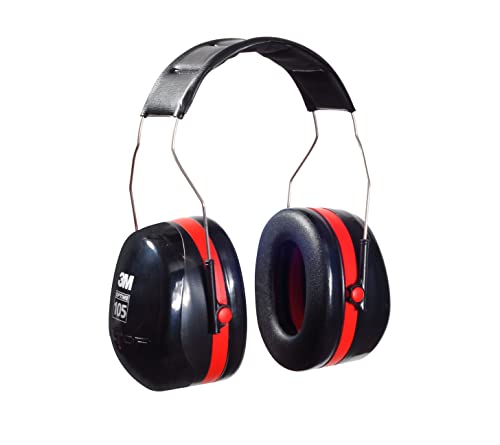 3M Peltor Optime 105 H10A Ear Muffs |
| Check price on Amazon |
Key takeaways
- Four passive ear muffs for drag racing compared on noise reduction figure, cup seal, sizing and clamp force, from a 37 dB model down to 30 dB.
A Top Fuel pass is one of the loudest sounds in any sport, and the real buying decision is not which muff looks toughest. It is how much attenuation you need for the spot you occupy: pressed against the fence, working in the pits, or sitting high in the stands. Cup depth, clamp force and size range decide whether a muff stays sealed and comfortable through a full day of qualifying, or gets pulled off after two pairs of cars.
This roundup suits spectators who sit close, parents bringing kids to a national event, and crew helpers who stand near running engines. Every pick is a passive over-ear muff chosen from its Amazon listing, with the published noise reduction figure, weight and size range taken from that listing. The set runs from a 37 dB maximum-protection model down to a 30 dB twin-cup workhorse, so you can match the muff to your seat rather than buying the biggest number by default.
Quick Picks
As an Amazon Associate we earn from qualifying purchases
| Product | Best for | Key spec from title |
|---|---|---|
| Decibel Defense Professional Safety Ear Muffs | Closest seats at nitro classes | 37 dB noise reduction figure |
| Pro For Sho 34dB Ear Muffs | Crowded stands and smaller heads | 34 dB figure in a compact folding shell |
| 3M Peltor X5A Ear Muffs | Long pit days near the action | 31 dB figure with dielectric headband |
| 3M Peltor Optime 105 H10A Ear Muffs | Crew work around running engines | 30 dB figure, twin-cup earcup design |
How to Choose
Match the Noise Reduction Figure to Your Spot
Where you stand changes the number you need. Fans in the first rows near the launch area face the full blast of a nitro pass, while seats higher and farther back shed much of that energy before it arrives. A 37 dB muff earns its bulk at the fence; a 30 to 34 dB model is easier to wear all day from the upper rows. Be honest about your usual seat, because a muff with a huge figure does nothing once you take it off between rounds.
Check Cup Depth and the Seal Around Glasses
A muff only delivers its lab figure when the cushion seals fully around the ear. Deep cups with soft, wide cushions keep that seal on larger ears and over the arms of safety glasses, which pit workers wear constantly. Shallow cups can press the ear itself flat, which hurts within an hour and tempts you to lift a cup for relief. If you wear glasses at the track, favor plush cushions and cups with room inside, and seat the glasses arms above the cushion line where the design allows it.
Pick the Size Range That Fits Your Head
Muffs in this group split into clear size stories. Some listings run a Standard size aimed at young children through average adults, with a separate Large version for bigger heads. Others offer Regular and XL, with the XL adding slider length for wide heads and caps worn underneath. A muff that is too small clamps hard and breaks its own seal at the jaw; too large, and it slides when you turn to follow a car. Check the size wording on the listing against your hat size before you order.
Weigh Clamp Force and Fold-Flat Storage
Race days are long, and clamp force is the comfort tax every passive muff charges. Strong clamping keeps the seal during a pass but can ache across the temples by the afternoon rounds. Lighter, compact models fold into a jacket pocket or a small bag, which matters when you move between the stands, the pits and the concession lines. If you attend full weekends, a folding design with a padded headband usually survives more days per season than a rigid frame you end up leaving at home.
The 4 Best Options
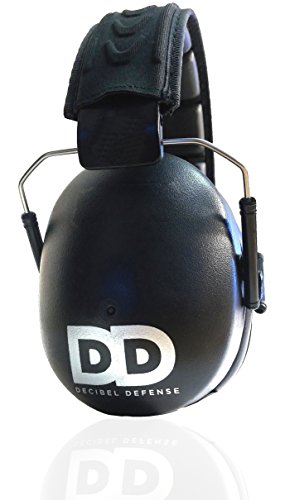
Decibel Defense Professional Safety Ear Muffs
- Best for: Fans in the closest seats for Top Fuel and Funny Car sessions.
- Noise reduction figure: 37 dB
- Type: Passive, over-the-head fit
- Item weight: 12 ounces
- Dimensions: 6 x 3.6 x 5.5 inches
Fans in the closest seats for Top Fuel and Funny Car sessions.
The snug initial clamp; the XL size comes only in black.
Spectators who sit low and close for nitro classes get the most from this muff, because its 37 dB figure is the highest in this roundup and it needs no batteries or electronics to deliver it. The padded headband and sliding metal cup arms suit a full day that mixes stands, fence line and pit walks. It comes in Regular and XL sizes, and the listing warns the fit runs snug at first, loosening as the foam breaks in over the opening sessions of wear.
Pro For Sho 34dB Ear Muffs
- Best for: Mobile spectators and families who share one pair across a season.
- Noise reduction figure: 34 dB
- Item weight: 7.2 ounces
- Dimensions: 4.8 x 4.1 x 4.7 inches
- Part number: PAS-BL
Mobile spectators and families who share one pair across a season.
Large heads should order the separate Large size, not the Standard.
This compact muff fits the drag racing fan who moves around all day: it folds small enough for a jacket pocket, weighs about half of what the big industrial muffs weigh, and still carries a 34 dB figure. The Standard size covers young children through average adults, which makes one pair a workable hand-me-down for families who attend a few events a year. Its slim cups also sit easier in packed grandstands where wide cups knock against neighbors and seat backs.
3M Peltor X5A Ear Muffs
- Best for: Pit regulars who want a durable, serviceable high-attenuation muff.
- Noise reduction figure: 31 dB, CSA Class AL
- Model: X5A (X5A/37274(AAD))
- Style: Over-the-head headband, electrically insulated
- Cups: ABS plastic
Pit regulars who want a durable, serviceable high-attenuation muff.
The big cups are bulky in tight grandstand seating.
Crew helpers and pit regulars who already trust 3M work gear get a muff built for very high noise, with a 31 dB figure and CSA Class AL marking on the listing. The over-the-head band is electrically insulated, a detail that matters around support vehicles and power gear in the pits. The cups are larger than the compact picks here, and that volume is the cost of the attenuation; replacement cushions and liners exist in the X Series line, which suits buyers who wear the same muff for many seasons.
3M Peltor Optime 105 H10A Ear Muffs
- Best for: Crew helpers exposed to steady engine noise across a full event day.
- Noise reduction figure: 30 dB
- Model: H10A
- Design: Double-shell twin-cup earcups
- Headband: Stainless steel
Crew helpers exposed to steady engine noise across a full event day.
Heavier and less portable than the folding picks in this roundup.
The Optime 105 is the workhorse pick for people who stand near engines all day: tuning areas, warm-up sessions in the pits and return-road work where noise is constant rather than a four-second blast. Its double-shell twin-cup design targets the low rumble that single-shell muffs pass through, and the stainless headband holds its shape after seasons of being tossed in a tool bag. The 30 dB figure trails the others here, yet the build suits repeated daily use better than lighter folding models.
Which One Fits Your Situation
Front Rows for Nitro Qualifying
Pick the Decibel Defense. Down low, a Top Fuel or Funny Car pass arrives with physical pressure as much as sound, and the 37 dB figure is the widest cushion this group offers. Add foam plugs underneath for the closest seats, seat the cushions carefully before each pair of cars, and the muff earns its place in your bag for every national event on your calendar this season and beyond.
Bringing Kids to Their First Race
Choose the Pro For Sho in Standard size. It fits smaller heads without sliding, folds into a pocket when your child wants it off between rounds, and the 34 dB figure covers grandstand noise with room to spare. Bring it out for warm-ups so the first full pass is not a surprise, and keep a spare pair of foam plugs in case a cushion gets knocked loose in the excitement of the crowd.
Helping a Team in the Pits
Take the 3M Peltor Optime 105. Pit noise is a long exposure problem, not a single blast: warm-ups, generators and return-road traffic add up across ten hours. The twin-cup build and steel headband tolerate daily handling, and the cushions keep a seal over safety glasses. If your work takes you to the fence for passes, step up to the X5A or the Decibel Defense for those sessions instead of relying on one muff everywhere.
Bracket Racing Your Own Car
The Pro For Sho or the X5A both work between rounds. You need protection for burnouts and passes near your pit spot, then quick removal to talk with crew and hear calls. The Pro For Sho folds away in the trailer cabinet; the X5A gives a higher figure and replaceable cushions for a driver who attends twenty weekends a year. Either way, pair the muff with plugs for your own runs down the track.
Common Mistakes
- Buying a slim, low-figure muff for nitro classes because it looks easier to wear, then spending the day with it pushed up on your forehead.
- Wearing muffs over a thick cap brim or hat band, which lifts the cushion and quietly cuts the seal you paid for.
- Skipping foam plugs under the muff in the closest seats, where a single layer may not be enough for a full pass.
- Ordering a Standard size with a large head, suffering clamp pain by midday, and leaving the muff in the car for the finals.
- Storing muffs crushed under heavy gear all winter, which flattens the cushions and weakens the seal for the next season.
Frequently Asked Questions
How Loud Is a Top Fuel Pass, and What Figure Do I Need?
A nitro pass at close range is commonly described well above the level where unprotected exposure causes harm in seconds. From the fence, choose the highest figure you will keep on, which is why the 37 dB Decibel Defense leads this list. From the upper stands, a 30 to 34 dB muff worn for every pass protects you without the bulk, as long as the seal stays complete.
Should I Wear Plugs Under My Muffs at a Drag Race?
For the closest seats and for crew standing near the launch area, yes. Plugs under muffs add a second barrier and cover you if a cushion shifts during a pass. The pairing helps most at nitro events; at a local bracket race watched from mid-stands, a well-sealed muff on its own is a reasonable setup. Keep spare plugs in the same bag so the habit survives a long weekend.
Can Children Wear These Muffs?
The Pro For Sho Standard is listed for children through average adults, and its light weight suits smaller heads. Fit matters more than the label: the cushion must ring the ear with no gaps, and the band should not slide when your child turns to follow a car. Check the seal during warm-ups, keep sessions short for young kids, and move farther back if they keep pulling it away.
Why Are All Four Picks Passive Instead of Electronic?
Electronic muffs amplify voices and calls, which pit crews value, but their published figures usually sit well below the passive models here, and batteries add a failure point on a long weekend. For protection at a drag race, passive cups give the highest figures per pair. If hearing the announcer matters more than maximum attenuation, shop electronic models as a separate category and compare their figures against these.